

Introduction: More Than Just a Seaside Town
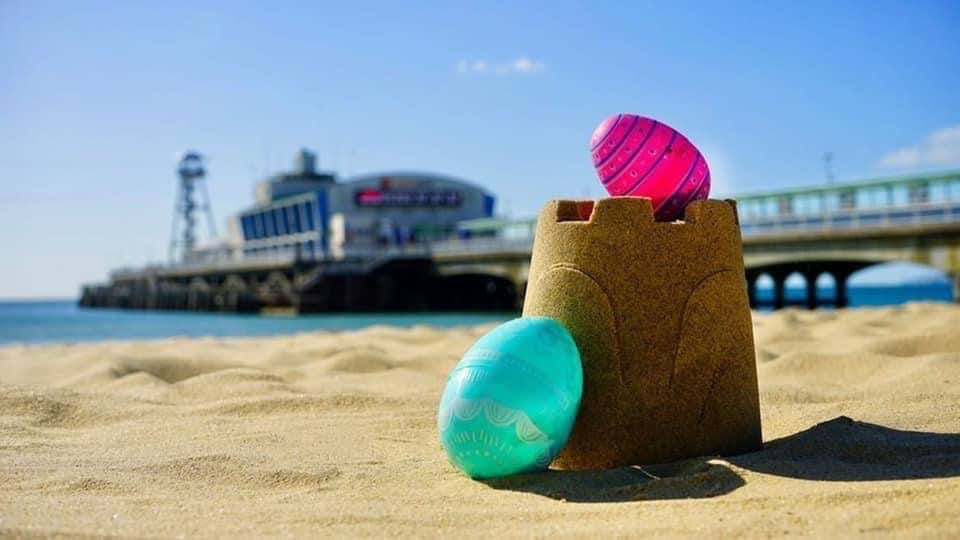
Picture Bournemouth. What comes to mind? For many, it’s the quintessential image of a Great British seaside holiday: seven miles of immaculate golden sand, the gentle lapping of the English Channel, and the cheerful silhouette of a Victorian pier stretching out into the sun-dazzled water. It’s an image the town has cultivated with pride for nearly two centuries, earning its place as one of the nation’s most beloved coastal resorts. But to leave it there, to see Bournemouth as merely a place of deckchairs and ice cream, is to miss the point entirely.
This is a town of surprising depth, a place where elegant Victorian design provides the backdrop for twenty-first-century adventure. It’s a cultural hub where the fantastical private collection of an eccentric hotelier sits perched on a clifftop, gazing out at the same sea that carved the dramatic chalk stacks of a World Heritage Site just a few miles away. This is not just a destination; it’s a gateway. From here, the ancient, pony-trodden landscapes of a former royal hunting ground are as accessible as the haunting ruins of a castle that witnessed a king’s murder and a noblewoman’s heroic last stand.
This guide is an invitation to look beyond the sands. It’s a curated journey through ten unforgettable experiences that reveal the true character of Bournemouth and its remarkable surroundings. We’ll explore the town’s vibrant heart, delve into the dramatic history of the Dorset coast, and even venture across the sea for an island escape. Forget the simple checklist; this is an exploration of the rich tapestry of stories, landscapes, and adventures that await.
The Bournemouth Essentials
1. Bournemouth Beach & Pier: Where Victorian Grandeur Meets Modern Thrills
At the very heart of the Bournemouth experience lies its magnificent seafront, a sweeping arc of golden sand that is, without question, one of the finest beaches in Great Britain. But this iconic landscape is far more than just a beautiful natural feature; it is the stage upon which the town’s entire story has been built, a place where its genteel Victorian origins and its vibrant, thrill-seeking present collide in the most spectacular fashion. To understand Bournemouth, you must first understand its beach and pier.

The Vibe: Seven Miles of Golden Sand
The sheer scale of the beach is the first thing that strikes you. It stretches for miles, offering a different character with every step. Near the central Pier Approach, the atmosphere is electric. Families gather around the interactive water feature, children’s laughter fills the air, and the buzz from the arcades and cafés creates a palpable sense of holiday excitement. This is the bustling, cosmopolitan heart of the resort, a place of energy and activity. Yet, a short stroll in either direction reveals a more tranquil side. The sand seems to widen, the crowds thin, and the space opens up for quiet relaxation, sunbathing, and a peaceful swim in the surprisingly pleasant waters of the Channel.

A Rich History: The Birth of a Resort
It’s difficult to imagine now, standing on the bustling promenade, but less than 200 years ago, none of this existed. Until the early 19th century, the area where Bournemouth now stands was nothing more than wild, windswept heathland, a desolate landscape where cattle grazed and smugglers plied their trade. Its transformation from wilderness to premier resort is a fascinating tale of vision, fashion, and ambition.
The story begins in 1810 with a retired army officer named Lewis Tregonwell. Visiting the deserted beach with his wife, she was so captivated by the area’s raw beauty that she persuaded him to build a house there. He purchased eight and a half acres and constructed a home, along with cottages for his staff, becoming, in effect, the very first resident and founder of Bournemouth. For years, his house stood almost alone.

The true catalyst for Bournemouth’s creation came in the 1830s. Spending time at the seaside had become immensely popular among Britain’s wealthy and middle classes, who believed in the curative powers of sea air and saltwater. New resorts like Brighton and Eastbourne were booming. In 1836, a local landowner, Sir George Tapps-Gervis, saw the potential of this empty coastline and decided to create a purpose-built seaside resort from scratch. He hired an architect, Ben Ferrey, to design elegant villas nestled amongst the pine trees, intended for affluent families to rent for the summer season. By 1840, a small but perfectly formed village had appeared, complete with a hotel and a regular stagecoach service—a sure sign that Bournemouth was on the map. This deliberate, planned origin is key to understanding the town’s character; its wide, leafy avenues and grand Victorian architecture are not accidental but the result of a singular vision to create an exclusive and refined coastal retreat.

Adventures on the Pier: An Icon Reimagined
Jutting out from the centre of this grand design is Bournemouth Pier, an icon that has evolved in lockstep with the town itself. Its own history serves as a perfect miniature of the British seaside’s journey from Victorian utility to modern entertainment. It began life modestly in 1856 as a 100-foot wooden jetty, a practical landing stage for the steamers that brought early tourists and for local fishermen. After being rebuilt and extended, it was formally opened in 1880 by the Lord Mayor of London, a grand structure of iron and timber that solidified the town’s status. For much of the 20th century, its purpose was genteel entertainment; a theatre was added in the 1960s, and the “end of the pier show” became an essential part of the holiday experience for a generation.
But as holiday tastes changed and the old pier began to corrode, it faced a choice: fade into irrelevance or reinvent itself. It chose reinvention. The theatre was replaced by an all-weather adventure centre, transforming the pier from a place of passive entertainment into a hub of active thrills. Today, the pier is home to

RockReef, an indoor activity attraction that has brought the great outdoors inside. Here, adventurers of all ages can tackle 28 different Clip ‘n Climb challenges, from racing friends up the Speed Climb wall to conquering the notoriously difficult ‘Triffid’. You can navigate the darkness of the Pier Cave’s three caving tunnels or test your balance on the HighLine, an indoor aerial obstacle course suspended high above the ground.
The pier’s transformation is most dramatically embodied by the PierZip. Launched from a 25-metre-high tower at the very end of the pier, this is the world’s first pier-to-shore zip wire. Its 250-metre dual wires allow you to race a friend over the tops of the waves, “zip surfing” through the sea spray to land on the beach below. It is an exhilarating, heart-pounding experience that perfectly encapsulates how Bournemouth has successfully layered modern adventure onto its historic foundations. This ability to innovate while respecting its heritage is the secret to the town’s enduring appeal, creating a multi-generational destination where one can enjoy a traditional stroll along the pier’s wooden planks before watching thrill-seekers fly overhead. This sympathetic modernisation ensures Bournemouth remains relevant and exciting, avoiding the fate of other resorts that have faded into nostalgic memory.
Back at the Pier Approach, the fun continues with the Smugglers Cove Adventure Golf, an 18-hole course with a fun nautical theme, and the Bournemouth Big Wheel, a 100-foot observation wheel offering stunning panoramic views across the town, gardens, and seven miles of coastline.

Insider’s Tip & Practicalities
While the attractions have an entry fee, access to the pier for a traditional stroll is free, offering some of the best views of the coastline. For the best experience at RockReef, book your session online in advance, especially during school holidays, to avoid disappointment. And if you do take that classic walk to the end of the pier, heed the local advice: as you pass the last of the wind shelters, be sure to hold on to your hat.
2. The Lower Gardens: A Verdant Ribbon to the Sea
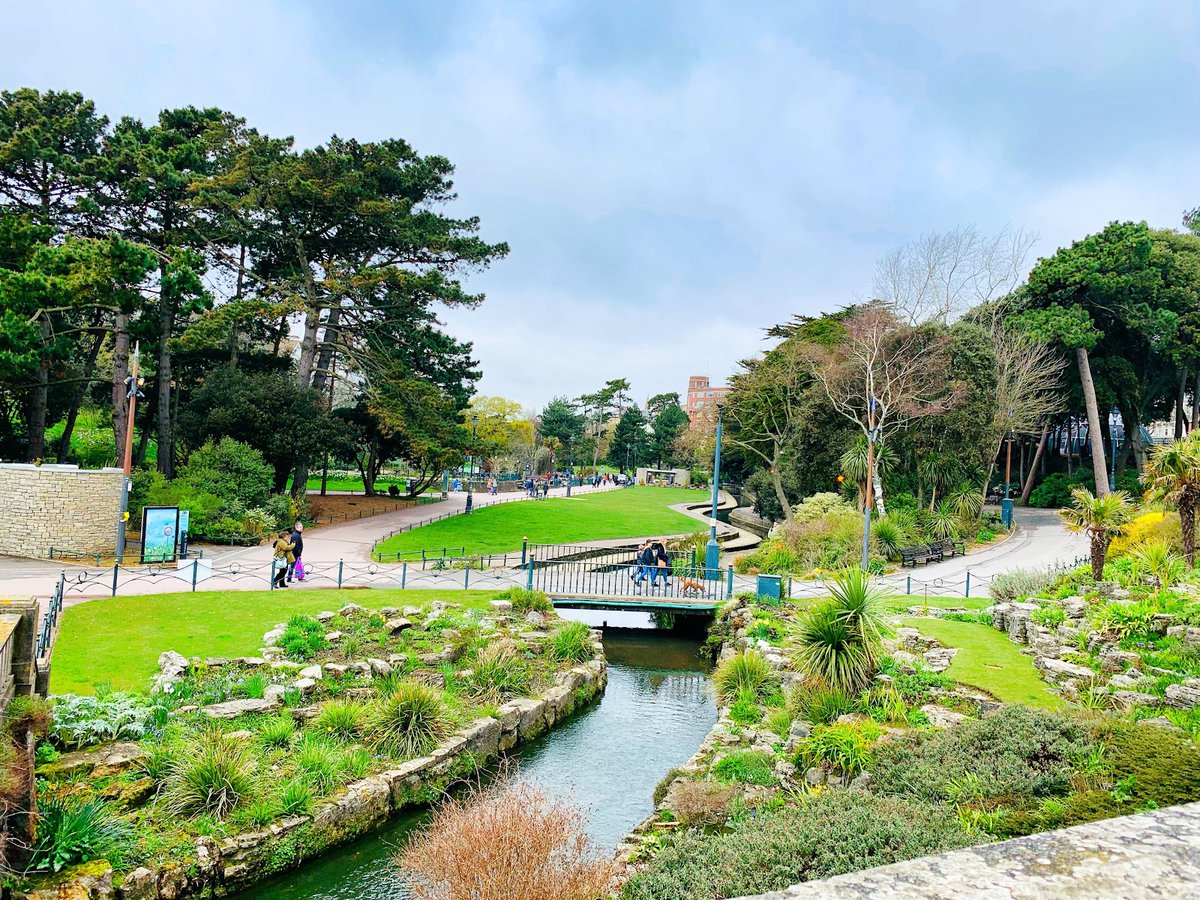
Flowing from the heart of Bournemouth’s bustling town centre down to the vibrant Pier Approach is a magnificent green artery: the Lower Gardens. This Grade II Listed public park is more than just a beautiful space; it is a masterpiece of Victorian urban planning, a tranquil corridor designed to connect the commercial life of the town with the natural spectacle of the sea.

An Oasis of Calm
To step into the Lower Gardens is to enter another world. The noise of the shopping streets fades, replaced by the gentle sound of the Bourne Stream, which meanders through the park’s length. The gardens are a feast for the senses, with immaculate, vibrant floral displays that change with the seasons and a charming 1930s rock garden providing texture and interest. This space was not an afterthought in the town’s design; the Pleasure Gardens were laid out in the 1870s as a key feature of the resort. The Victorian founders understood the importance of creating a formal “processional route” to the sea. This intentional design has a profound effect on the visitor experience. It acts as a crucial psychological and sensory transition, a “decompression zone” that eases you from a busy, commercial mindset to a relaxed, seaside-leisure mindset. The journey to the beach becomes an attraction in itself, a gentle unwinding that sets Bournemouth apart from other resorts where the high street abruptly ends at the promenade.
The gardens are alive with activity and opportunities for relaxation. The historic Pine Walk bandstand hosts live music throughout the summer, while an aviary is home to a colourful collection of parrots. A popular mini-golf course offers a fun distraction, and throughout the warmer months, the gardens host one of the country’s longest-running open-air art exhibitions, where you can browse works by local artists. For those seeking a moment of peace, there are countless benches tucked away, perfect for reading a book or simply watching the world go by.
Year-Round Charm
One of the gardens’ greatest strengths is their year-round appeal. While summer brings picnics, outdoor concerts, and sun-dappled walks, winter sees the space undergo a magical transformation. The Christmas Tree Wonderland turns the gardens into a festive spectacle, with millions of twinkling lights, enchanting light sculptures, and alpine-style bars serving mulled wine and hot chocolate. It becomes a destination in its own right, drawing visitors for a completely different but equally captivating experience.
Insider’s Tip & Practicalities
The gardens are famous for their remarkably tame wildlife. The squirrels are particularly friendly and are known to approach visitors, often eating nuts or seeds directly from an outstretched hand, providing a delightful interaction with nature in the heart of the town. Whether you use the gardens as your scenic route to the seafront, the location for a family picnic, or a quiet escape from the crowds, they are an unmissable part of the Bournemouth experience.

3. The Oceanarium: A Deep Dive into a Global Underwater World
Located just steps from the pier, the Bournemouth Oceanarium offers an enchanting journey beneath the waves, making it the perfect all-weather attraction for families and nature lovers alike. It’s a place where you can explore the diverse ecosystems of the world’s oceans, from the Great Barrier Reef to the dark abyss, all without leaving the Dorset coast.
Beneath the Waves
Your adventure takes you through ten spectacular, recreated environments, each teeming with fascinating creatures. The experience is thoughtfully designed to showcase a huge variety of marine and freshwater life. At the
Penguin Beach Encounter, you can fall “head over flippers” for the playful colony of Humboldt penguins as they waddle, dive, and interact in their specially designed enclosure. Nearby, at the
Otter Oasis, a mischievous and adorable family of otters swim, splash, and play, captivating visitors with their boundless energy.
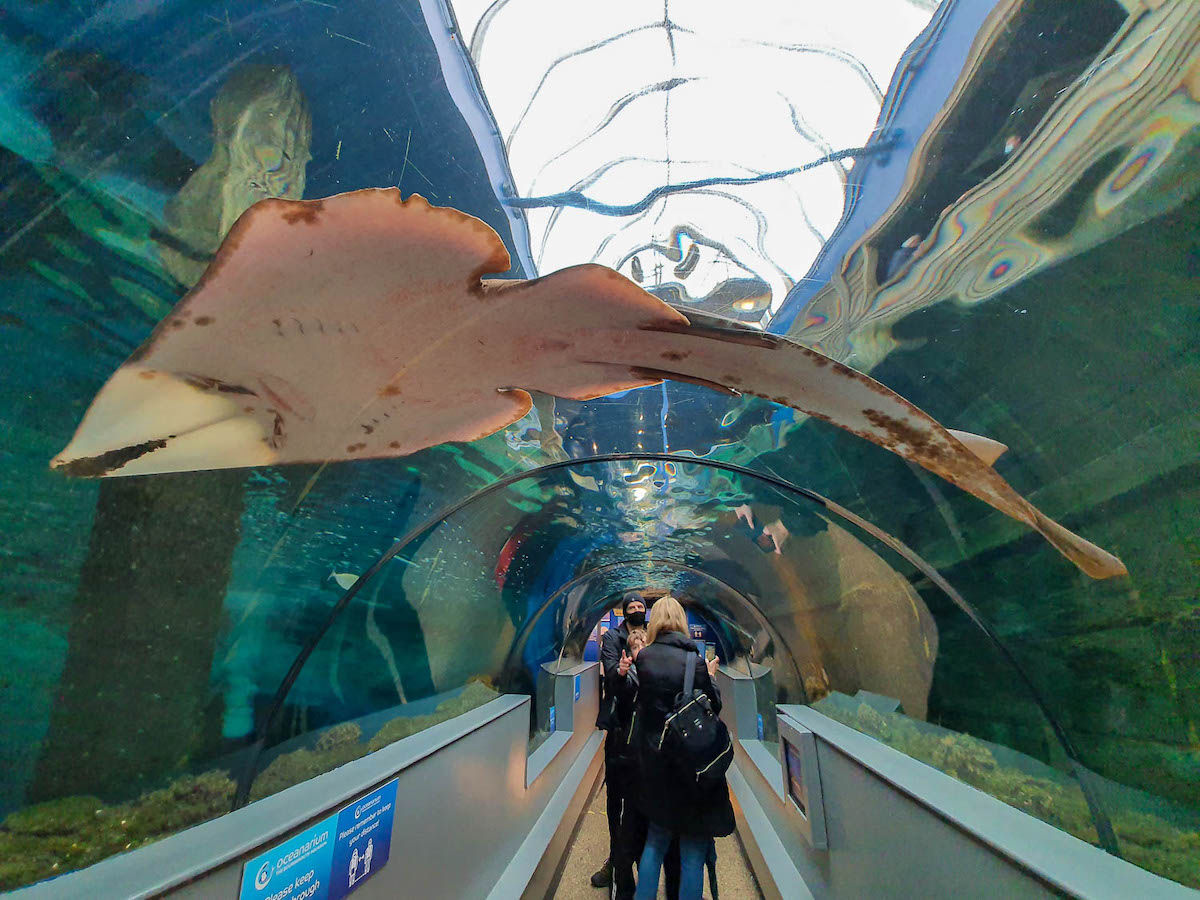
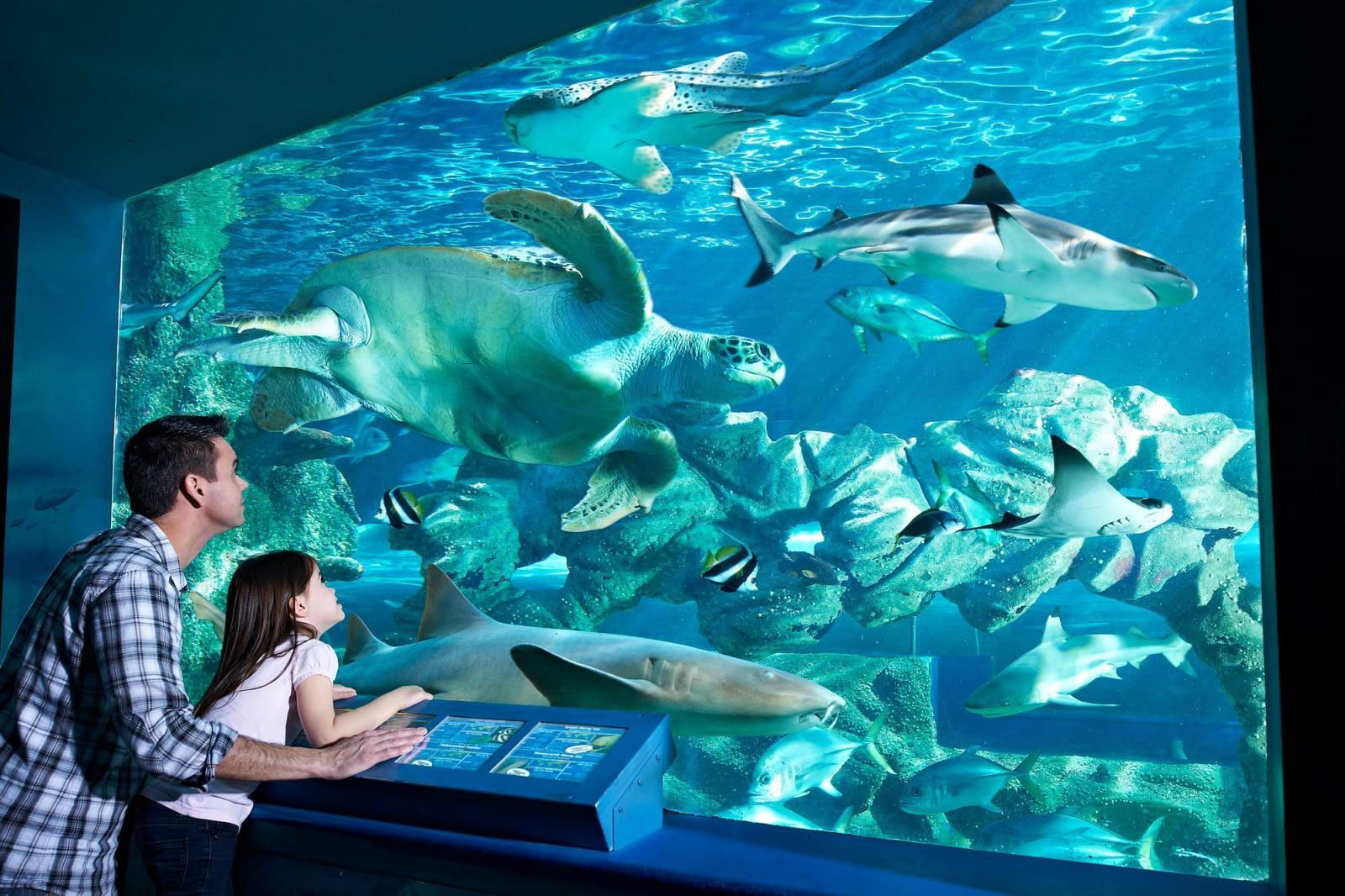
The centrepiece of the Oceanarium is its impressive underwater tunnel. Themed as Shark Wreck Reef, this 350,000-litre display surrounds you with the vibrant life of a coral reef. Majestic sharks, including blacktip reef sharks and nurse sharks, glide silently overhead, while graceful southern stingrays and moray eels navigate the shipwreck-themed environment. Keep an eye out for Carrie, the resident loggerhead turtle, a majestic and gentle giant of the ocean.
The journey continues through diverse habitats. Crocodile Rocks is home to a pair of cunning African Dwarf Crocodiles, as well as other freshwater species like Chinese water dragons. At the
Marine Research Laboratory, you can marvel at the delicate beauty of seahorses and a nursery for vibrant corals, while The Abyss reveals the mysterious creatures that have adapted to life in the crushing pressure and total darkness of the deep ocean.
Unique Encounters & Practicalities
The Oceanarium excels at creating interactive and educational experiences. The daily schedule of talks and feeding demonstrations is a must-see, offering fascinating insights into the animals’ behaviour and the chance to see them at their most active. For a truly immersive thrill, the virtual
Interactive Dive Cage allows you to come face-to-face with a digital great white shark, dolphin, or manta ray. For a special occasion, you can even book a VIP penguin feeding experience, a memorable encounter for any animal enthusiast.
The aquarium also carries an important conservation message. Exhibits like Global Meltdown thoughtfully explore the potential consequences of melting ice caps, using the attraction’s popularity to raise awareness about critical environmental issues. This educational mission is a core part of its identity.
The Oceanarium’s location is no accident. It forms part of a tightly integrated entertainment complex with the pier’s other attractions like RockReef and the PierZip. This clustering creates a powerful synergy, offering a complete day out in one location. The Oceanarium serves as the indoor, educational, all-weather anchor, perfectly complementing the outdoor, high-adrenaline thrills of the pier. This concentration of diverse attractions makes the Bournemouth seafront a uniquely compelling destination.

Insider’s Tip
To make the most of your visit, book your tickets online at least 48 hours in advance, as this can save you up to 25% on admission prices. Be sure to check the daily schedule of talks and feeds upon arrival and plan your route through the aquarium around these times. Finally, the Offshore Café, located within the complex, offers not only refreshments but also some of the best panoramic views of Bournemouth Bay.
4. The Russell-Cotes Art Gallery & Museum: A Collector’s Fantastical Seaside Villa
Perched dramatically on the East Cliff, with breathtaking views over the bay, stands one of the most remarkable and personal museums in Britain: the Russell-Cotes Art Gallery & Museum. This is no ordinary gallery. It is a Grade II listed Victorian fantasy, a house built not just as a home but as a treasure chest, and to step inside is to be transported into the extraordinary world of its creators.

The Story of a House
The museum is the legacy of Sir Merton and Lady Annie Russell-Cotes, a couple whose story is as captivating as the collection they amassed. Merton was a prime example of a Victorian self-made man. Starting as a travelling salesman, his ambition led him to purchase and manage hotels, culminating in the acquisition of Bournemouth’s Bath Hotel in 1876. He and Annie transformed it into the lavish Royal Bath Hotel, a glamorous destination that attracted the era’s rich and famous, including Oscar Wilde and Sir Henry Irving.
From 1884, the couple embarked on extensive world travels, visiting Japan, Australia, Egypt, India, and the Pacific Islands. Along the way, they indulged their passion for collecting, filling their hotel with a vast and eclectic array of art and artefacts. Eventually, their collection outgrew the hotel, and in 1897 they commissioned a new clifftop home. This was to be East Cliff Hall. Merton’s vision was for a building that was itself a work of art, a unique and eccentric blend of Renaissance, Italian, and Scottish baronial styles. It was designed from the outset as a showcase for their treasures and was gifted to the people of Bournemouth in 1908.
The house and its collection are a perfectly preserved portrait of the ambitions and tastes of the Victorian nouveaux riches. Lacking the inherited status of the aristocracy, self-made industrialists and merchants like Merton used art and architecture to display their culture, wealth, and worldview. Bournemouth, itself a new town built from nothing in the 19th century, was the perfect canvas for such a man to create his own legacy. The fantastical, custom-built villa is a mirror of the town itself—both are bold, ambitious creations of the Victorian era, intrinsically linked in their origin stories.

A World of Treasures
Exploring the Russell-Cotes is an immersive experience. The building itself is one of the main attractions, with opulent interiors adorned with intricate plasterwork, stunning stained-glass windows, and lavish furnishings. Wandering through the grand reception rooms, the Oriental-inspired décor of the Mikado’s Room, and the intimate private quarters feels like stepping back in time.
The collection is as eclectic as the couple’s travels. Spread across the historic house and four purpose-built galleries, it features an impressive mix of paintings, sculptures, ceramics, and decorative arts. The museum is particularly renowned for its holdings of Pre-Raphaelite art, including Dante Gabriel Rossetti’s famous Venus Verticordia. The collection also reflects Merton’s more conservative, middle-class taste, favouring grand historical and literary subjects, landscapes, and animal paintings over the avant-garde movements of the time. This provides a fascinating insight into the popular artistic sensibilities of the late Victorian period.

Insider’s Tip & Practicalities
For a truly memorable visit, book Afternoon Tea at the museum café. The food is delightful, but the real treat is the spectacular, panoramic view of the coastline from its clifftop position—arguably the best in Bournemouth. The museum also runs a vibrant programme of temporary exhibitions, talks, and workshops, so it’s always worth checking their website to see what’s on during your visit.
Journeys into Dorset’s Dramatic Past & Present
5. Highcliffe Castle: A Gothic Romance Built from French Ruins
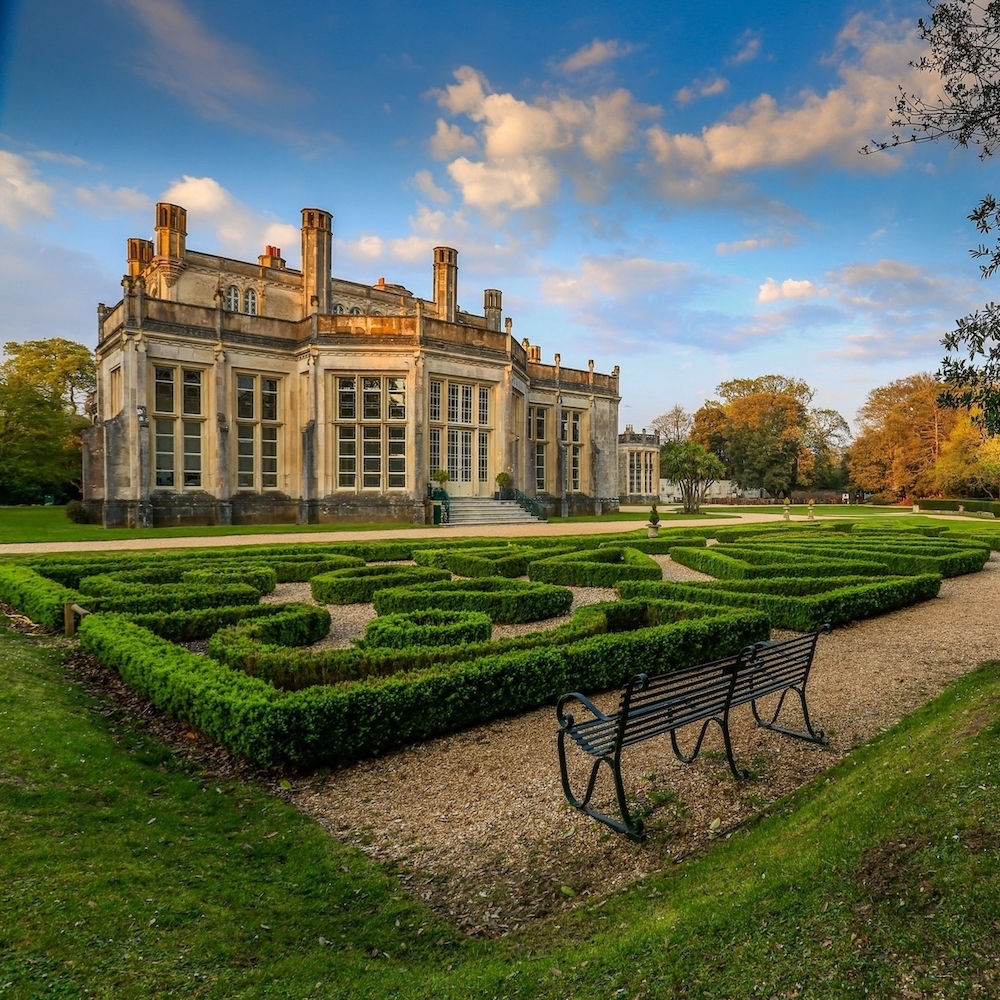
A short drive from Bournemouth stands Highcliffe Castle, a magnificent Gothic Revival mansion that has been described as “arguably the most important surviving house of the Romantic and Picturesque style of architecture”. More than just a beautiful building, it is the realisation of one man’s extraordinary fantasy, a structure built with stones that carry centuries of French history, shipped across the Channel to create a dream home on the English coast.

A Diplomat’s Dream
The castle was built between 1831 and 1836 by Lord Stuart de Rothesay, a distinguished British diplomat who had served as Ambassador in Paris following the defeat of Napoleon. Cultured and widely travelled, he envisioned a home that would reflect his life and passions. His grand idea was to incorporate salvaged medieval and Renaissance masonry from France into his new English house. He purchased vast quantities of carved stone from the ruined Benedictine Abbey of St Peter at Jumièges and the Grande Maison des Andelys in Normandy, both casualties of the French Revolution.
This remarkable act of architectural salvage is what gives Highcliffe its unique character. The ancient, weathered stone, the magnificent 16th-century Oriel window, and the exquisite stained glass make the castle appear far older than it is. The building is a physical manifestation of its creator’s life story—a fusion of his British identity and his deep personal and professional connection to France. It is a piece of architectural autobiography, telling the story of a diplomat’s career through its very stones.
When viewed alongside the Russell-Cotes Museum, a fascinating comparison emerges. Both are grand, personal projects of wealthy 19th-century men, yet they represent two different facets of the era’s mindset. De Rothesay at Highcliffe looked to Europe, importing and appropriating the aristocratic history of the continent. Russell-Cotes, a generation later, looked further afield, his collection reflecting the global reach of the British Empire. A visit to both offers a nuanced understanding of how Victorian ambition was expressed.
From Grandeur to Ruin and Rebirth
For over a century, Highcliffe played host to royalty and the social elite. Famous guests included Prime Minister William Gladstone and, most notably, Kaiser Wilhelm II of Germany, who stayed for three weeks in 1907 to “live the life of an English gentleman”. From 1916 to 1922, it was rented by Harry Gordon Selfridge, the founder of the famous London department store.
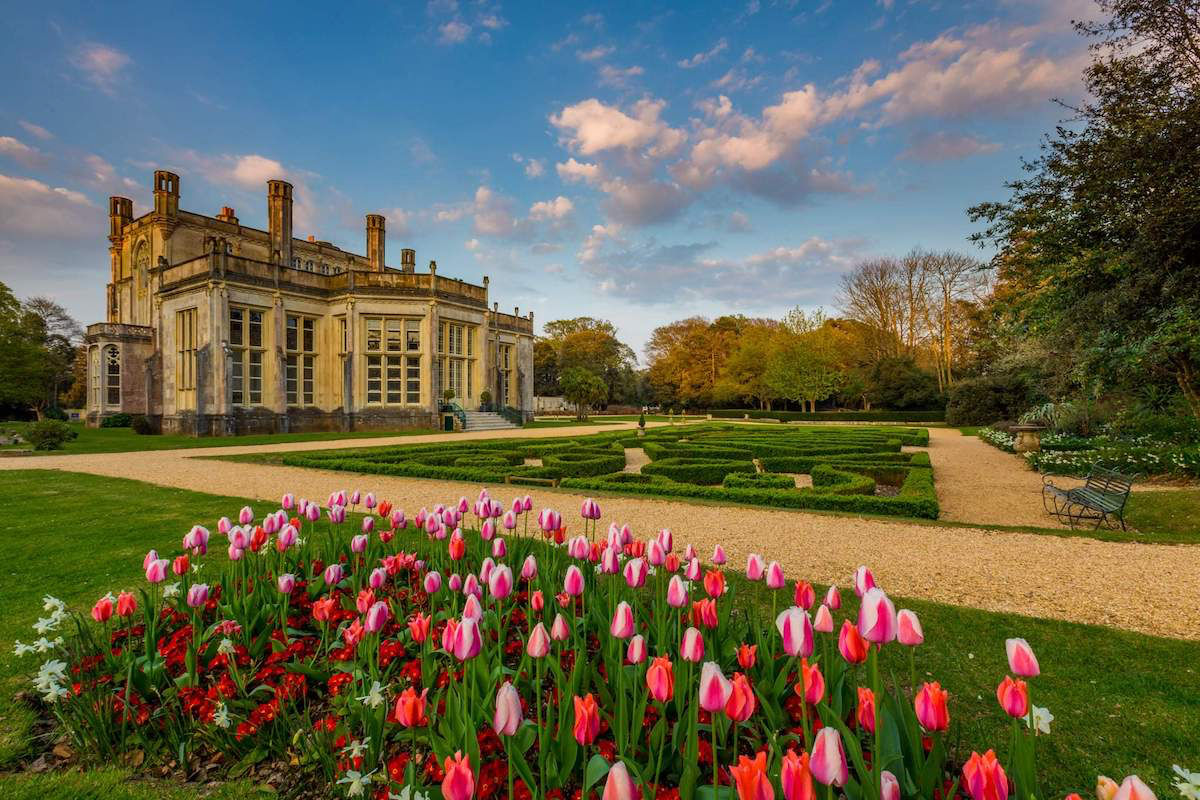
However, the castle’s fortunes declined dramatically in the mid-20th century. After ceasing to be a family home, tragedy struck in the 1960s. Two devastating fires, one in 1967 and another in 1968, ripped through the building, destroying the lavish interiors and leaving it a derelict, roofless ruin. For two decades, it stood neglected and exposed to the elements, a romantic but tragic shell. Its rescue and meticulous restoration have been a triumph of conservation, allowing visitors today to walk through its grand halls once more, learn the stories of its past through interactive displays, and marvel at the architectural genius of Lord Stuart de Rothesay.
Insider’s Tip & Practicalities
A visit to Highcliffe is not complete without exploring its beautiful grounds. A gentle walk leads to a zig-zag path that descends the cliff to a quiet, sandy beach. From here, you can enjoy stunning views back up at the castle, appreciating its spectacular clifftop location. The castle is a very popular venue for weddings and events, so it is always wise to check the opening times on their website before you travel to avoid disappointment.
6. The New Forest National Park: An Ancient Landscape on the Doorstep
Just a stone’s throw from the urban buzz of Bournemouth lies a world that feels centuries away: the New Forest National Park. This vast expanse of ancient woodland, sun-dappled heathland, and picturesque villages offers a complete contrast to the seaside, and its close proximity is one of the things that makes a trip to the region so special.

A Royal Hunting Ground
The history of the New Forest is written into its very name. It was “created” in 1079 by William the Conqueror, who set aside this huge tract of land as his personal royal hunting ground, or “Nova Foresta”. It’s important to understand that in Norman times, the word ‘forest’ did not necessarily mean a wooded area; it referred to any countryside placed under harsh “Forest Law” to protect the deer and wild boar for the king’s sport. This royal connection is steeped in drama and mystery. In the year 1100, William the Conqueror’s son and heir, King William II (known as William Rufus), was killed here under mysterious circumstances, struck by an arrow whilst out hunting. Whether it was a tragic accident or a political assassination remains one of English history’s great unsolved mysteries. The spot is marked today by the Rufus Stone, a quiet memorial to a violent event.
This history reveals a fascinating paradox. The New Forest is an artificial construct, a landscape defined and set aside by a king’s decree over 900 years ago. Yet, the very human activities that this decree protected—and the ancient system of “commoning,” which grants local people the right to graze their animals on the open forest land—are precisely what have preserved its unique, seemingly wild, and ancient character. This is not a pristine, untouched wilderness; it is a living, working landscape, its beauty a direct result of a millennium of careful human management.

Exploring the Forest
The most iconic feature of the New Forest is its thousands of free-roaming ponies, donkeys, and cattle. They are the “architects of the forest,” their constant grazing maintaining the open heathlands and manicured “lawns” that define the landscape. Seeing them wander freely through villages or along roadsides is an unforgettable experience.
The forest offers endless opportunities for exploration. Miles of walking and cycling trails criss-cross the park, leading you through towering ancient woodlands, across purple-hued heathlands, and into charming villages like Brockenhurst and Lyndhurst, with their traditional pubs and thatched cottages. The forest also played a crucial, more modern role in history. Its strategic location on the south coast made it a vital hub during the Second World War. Generals Eisenhower and Montgomery met here to plan the D-Day invasion, and a remote area known as Ashley Walk was used to test Barnes Wallis’s famous ‘bouncing bomb’.
The duality of having a vibrant seaside town like Bournemouth directly adjacent to a vast and ancient National Park is a rare and powerful combination. It allows visitors to enjoy a “twin-centre” holiday from a single base, swapping the beach and urban entertainment of one day for the deep tranquility and rural heritage of the next. This significantly broadens Bournemouth’s appeal, making it a true gateway to a wide range of southern England’s greatest treasures.

Insider’s Tip & Practicalities
The best way to experience the forest is to leave the car behind and explore on foot or by bicycle. Remember that the animals are wild, not tame, and it is crucial for their welfare that you do not feed or touch them.21 To support the forest’s unique culture and economy, look out for local produce—from cheeses to ciders—bearing the “New Forest Marque,” a sign of authentic, high-quality local goods. A great place to start any visit is the New Forest Heritage Centre in Lyndhurst, which provides an excellent overview of the area’s history, culture, and wildlife.
7. Corfe Castle: The Haunting Silhouette of a Kingdom’s History
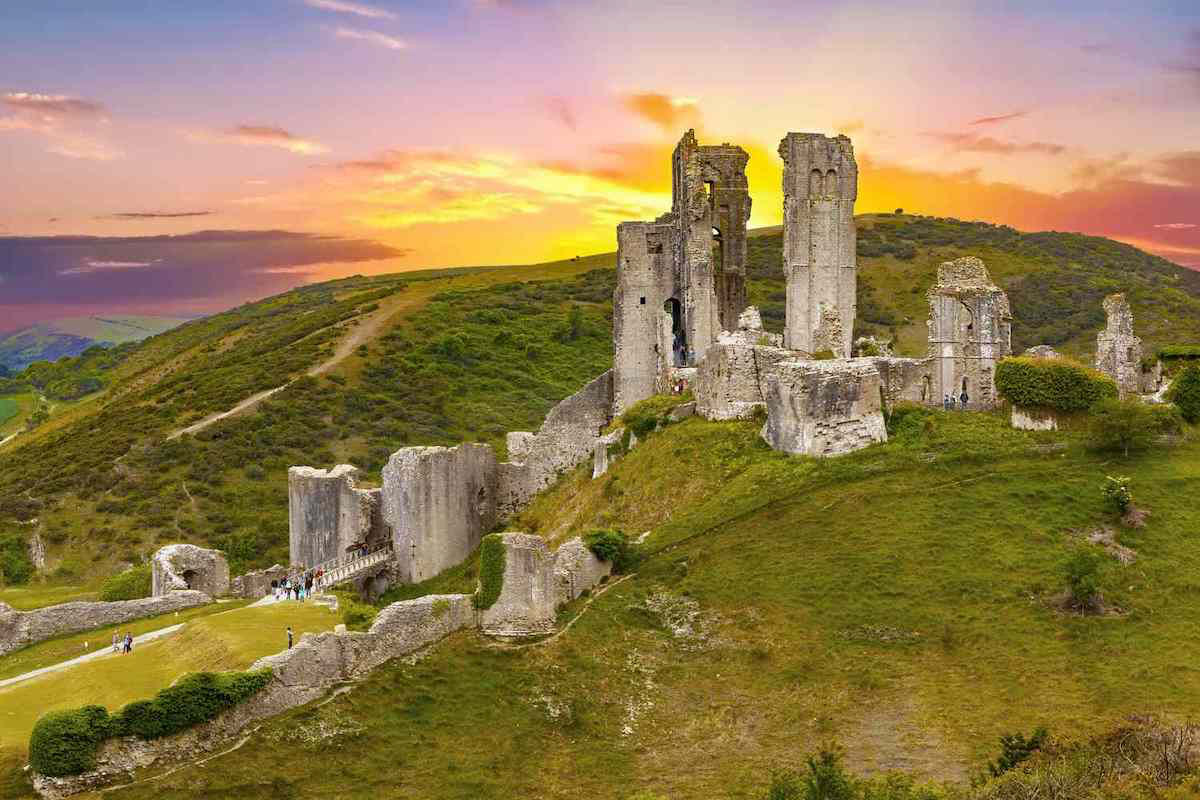
Rising dramatically from a conical mound that dominates a strategic gap in the Purbeck Hills, the ruins of Corfe Castle are one of England’s most evocative and unforgettable sights. This is not just a ruin; it is a thousand years of English history carved in stone, a place of royal intrigue, brutal murder, and astonishing heroism.

A Millennium of Drama
The story of Corfe begins long before the Norman conquest. It was a Saxon stronghold, and the site of one of the most infamous events in early English history. In 978 AD, the teenage boy-king, Edward, was visiting his stepmother and half-brother here. As he was offered a drink, he was treacherously stabbed to death, likely on the orders of his stepmother to place her own son on the throne. Edward was later declared a saint, and the murder of “Edward the Martyr” at Corfe cast a long shadow over the site.
After his conquest in 1066, William the Conqueror recognised the site’s immense strategic importance. He demolished the Saxon hall and built a formidable stone castle, one of the very first in England, a testament to Corfe’s high status. Over the next centuries, it was strengthened and expanded by successive kings. It was a favoured, if feared, residence of the volatile King John in the early 13th century. He lavished money on it, building a luxurious private apartment known as the ‘gloriette’, and used it as both a royal treasury to store his crown jewels and a brutal prison. It was in Corfe’s dungeon, or ‘oubliette’, that John had 22 captured French knights starved to death after they attempted to escape.

The castle’s most famous chapter came during the English Civil War in the 1640s. Its owner, Sir John Bankes, was away serving King Charles I. The defence of the castle fell to his wife, the formidable Lady Mary Bankes. With only a small garrison, she bravely led the defence of her home against two major sieges by Parliamentarian forces. She held out for three years, a symbol of Royalist defiance, until she was finally betrayed by one of her own officers, who let the enemy in through a side gate.
This story of Lady Mary Bankes provides a powerful and relatable human narrative in a period of history often dominated by kings and generals. Focusing on her courage and defiance offers a fresh perspective on the Civil War, moving beyond abstract politics to a story of personal heroism that makes the castle’s history more accessible and resonant for a modern audience.
Exploring the Ruins: A Story of Deliberate Destruction
After the castle fell, Parliament, fearing it could be retaken and used as a Royalist stronghold again, took a dramatic step. They passed an Act for its destruction. An army engineer, Captain Hughes, was tasked with demolishing the fortress using gunpowder. The results of this deliberate “slighting” are the spectacular ruins we see today—towers split in half, walls leaning at precarious angles, and vast chunks of masonry scattered across the hillside.
The fact that Parliament went to such lengths is the ultimate testament to Corfe’s power and strategic importance. Its ruined state is not a symbol of its failure, but a monument to its significance. The dramatic act of demolition has, paradoxically, preserved its story more powerfully than if it had survived intact. As you explore, you can still trace the castle’s layout and spot defensive features like arrow slits and “murder holes,” through which defenders would drop rocks or boiling oil on attackers below.
Insider’s Tip & Practicalities
The village of Corfe Castle, nestled at the foot of the hill, is built largely from stone salvaged from the slighted castle, making it one of Dorset’s most picturesque spots. The castle held a special magic for the famous children’s author Enid Blyton, who holidayed in the area and used it as the inspiration for Kirrin Castle in her beloved
Famous Five adventure stories. For a truly unforgettable approach to the castle, arrive on the Swanage Railway, a heritage steam train that chugs through the valley, offering spectacular views as it passes right by the ruins.
8. Old Harry Rocks: The Jurassic Coast’s Iconic Chalk Sentinels
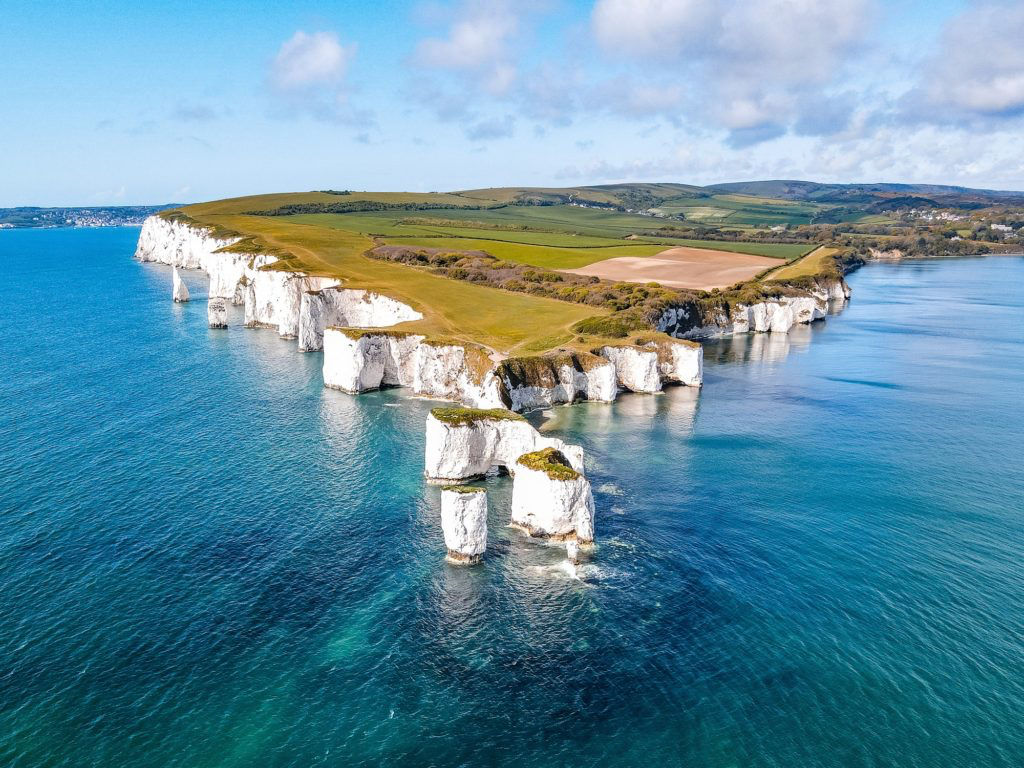
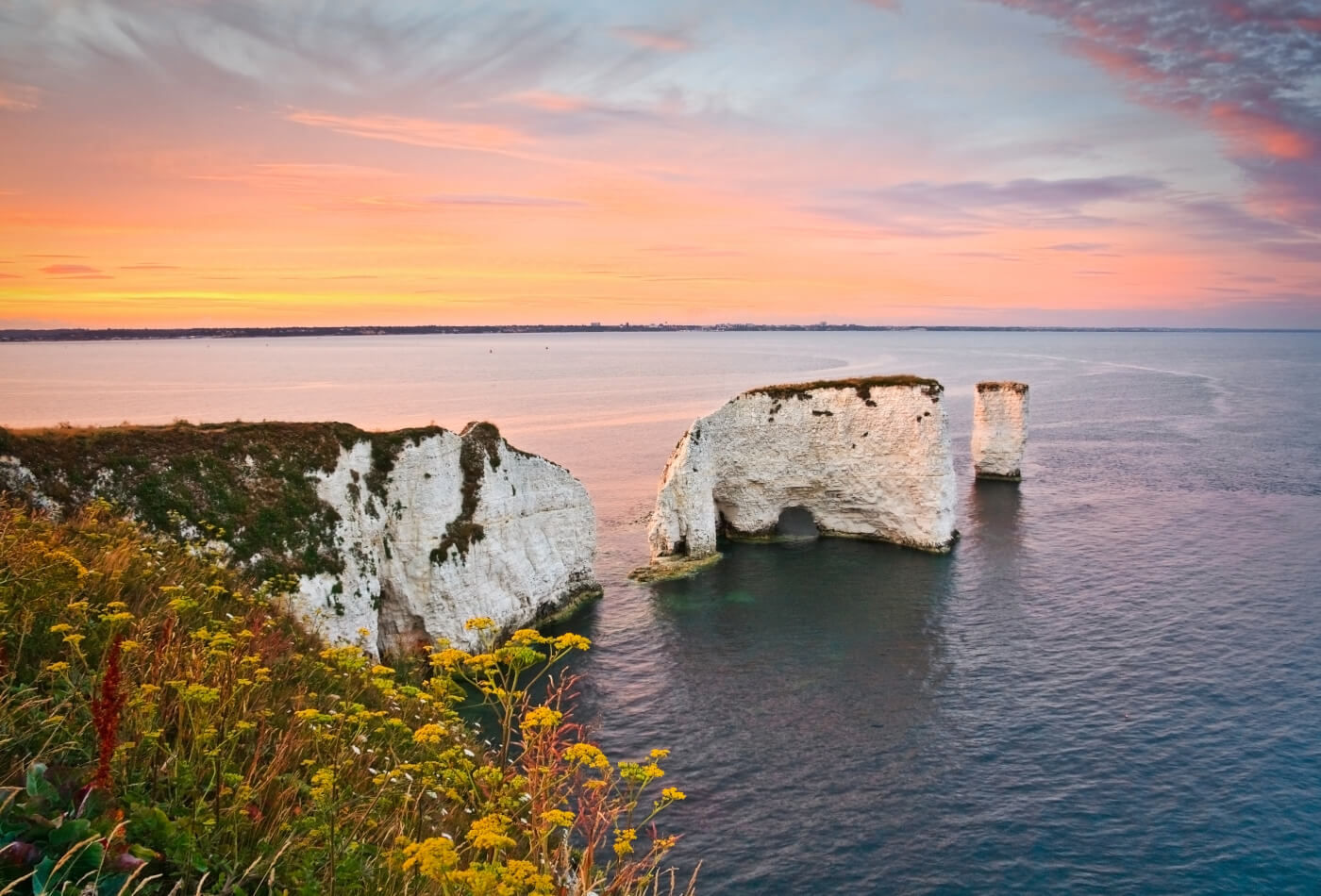
At the easternmost tip of the Jurassic Coast World Heritage Site stand Old Harry Rocks, a series of brilliant white sea stacks that rise dramatically from the turquoise waters of the English Channel. These chalk formations are one of the most famous and photographed landmarks in southern England, a symbol of the relentless power of the sea and a window into the deep geological time that has shaped this coastline.
A Story of Erosion
The story of Old Harry is a simple but epic tale of geology and erosion. These stacks, composed of pure white chalk, were once part of a long chalk ridge that stretched all the way across what is now the Solent to the Isle of Wight, connecting with the equally famous Needles. This chalk was formed around 65 million years ago from the calcium deposits of countless tiny sea creatures on the floor of a shallow sea. Over millions of years, the sea found weaknesses in the rock, carving out caves which grew into arches. Eventually, the tops of the arches collapsed, leaving behind the isolated stacks we see today. The name “Old Harry” is thought to refer either to a notorious local pirate, Harry Paye, who used the rocks as a lookout, or to the Devil himself.
This knowledge that Old Harry Rocks and The Needles were once a single land bridge is a powerful piece of context. It transforms them from two separate, beautiful landmarks into two ends of a single, immense geological story. It encourages you to stand on the clifftop, look across the water to the faint outline of the Isle of Wight, and imagine the landscape as it once was, giving you a tangible sense of deep time and the awesome power of nature.
Three Ways to Experience Old Harry
The landmark’s appeal is enhanced by the variety of ways it can be experienced, offering a “menu of experiences” that caters to different levels of fitness and adventure. This multi-faceted approach is a hallmark of modern, successful tourism, ensuring the site can be enjoyed by everyone from casual walkers to adrenaline-seeking kayakers.
- By Foot: The classic and most popular way to see the rocks is to take the easy coastal path from Studland. The walk begins from the South Beach Car Park, next to the charming Bankes Arms pub, and takes around 25 minutes each way. The path leads you directly onto the clifftop, offering breathtaking views down onto the stacks and across Studland Bay.
- By Kayak: For a completely different and more adventurous perspective, a guided kayak tour allows you to get up close and personal with the geology. Paddling out from Studland’s Middle Beach, you can navigate between the stacks, explore sea caves etched into the cliffs, and even paddle through natural arches, gaining a true appreciation for the scale and grandeur of the formations from sea level.
- By Boat: For a more relaxed experience, regular boat cruises depart from Poole Quay and Swanage Pier. These trips offer a wonderful panoramic perspective, allowing you to see Old Harry Rocks as part of the wider sweep of the Jurassic Coast, often with an informative live commentary on the area’s history and geology.

Insider’s Tip & Practicalities
For keen photographers, the clifftop walk is most magical during the “golden hours” of sunrise or sunset, when the low sun illuminates the white chalk, creating a truly spectacular sight. After your walk, the beer garden of the Bankes Arms pub in Studland is the perfect spot to reward yourself with a pint of local craft ale and a final, satisfying view of the coastline.
A Grand Day Out
9. An Island Escape: A Day Trip to the Isle of Wight
While not technically in Bournemouth, the enchanting Isle of Wight lies just a short ferry ride across the Solent, making it an essential and highly recommended day trip for anyone staying in the area. Taking that short sea voyage feels like a genuine escape, a journey to a place with its own unique character, charming towns, and spectacular coastal scenery.

Planning Your Voyage
The act of taking the ferry is the exciting first step of the island adventure, creating a psychological separation from the mainland that enhances the feeling of a true getaway. There are several convenient routes for a day-tripper from the Bournemouth area, primarily from the nearby towns of Lymington and Southampton. The journey itself is part of the experience, offering wonderful views of the Solent, with its bustling shipping lanes and flotillas of sailing boats.
To help you plan, here is a simple guide to the most common ferry options:
| Route | Ferry Operator | Travel Time (Ferry) | Accepts | Best For |
| Lymington to Yarmouth | Wightlink | Approx. 40 mins | Cars & Foot Passengers | Visitors with cars; a scenic, slower crossing arriving in a picturesque harbour town. |
| Southampton to West Cowes | Red Funnel (Red Jet) | Approx. 25 mins | Foot Passengers Only | The fastest route for foot passengers, ideal for maximising time on the island. |

An Island in a Day: A Curated Itinerary
The Isle of Wight is surprisingly large, so for a day trip, it’s best to focus on a few key highlights rather than trying to see everything. Here is a suggested itinerary that combines iconic scenery with royal history and classic seaside charm:
- The Needles Landmark Attraction: A must-see, especially after visiting Old Harry Rocks. Here you can see the other end of that ancient chalk ridge. The site offers a chairlift down the cliff face for the most dramatic views of the multi-coloured sand cliffs of Alum Bay and the famous lighthouse perched at the end of the rocks.
- Osborne House: No trip to the island is complete without a visit to Queen Victoria’s magnificent seaside palace near East Cowes. This was her beloved family home, designed by Prince Albert himself in the style of an Italian Renaissance palazzo. You can explore the lavish state rooms, see the intimate family quarters, and wander through the extensive grounds that stretch down to a private beach.
- Shanklin: For a taste of a traditional island town, head to Shanklin on the south-east coast. It is famed for its picturesque Old Village, with its charming thatched cottages, tearooms, and pubs. From here, you can descend into the Shanklin Chine, a stunningly beautiful and lush ravine carved by a stream over thousands of years, with waterfalls and rare plants.
This final excursion solidifies Bournemouth’s status as more than just a standalone destination. It is the perfect strategic base—a central hub—for exploring the wider treasures of Southern England. Its excellent transport links and prime location allow visitors to access a remarkable diversity of landscapes and historical sites—a Victorian resort, an ancient forest, a Jurassic coastline, and a charming island—all from one convenient and comfortable home base. This is perhaps its single greatest asset for any visitor planning a longer holiday.

Insider’s Tip & Practicalities
If you are travelling as a foot passenger, the most efficient and cost-effective way to explore the island is to purchase a “Rover” ticket for the Southern Vectis bus network. These can be bought directly from the bus driver and offer unlimited travel for the day, allowing you to hop on and off buses across their extensive island-wide routes.
Conclusion: Your Bournemouth Adventure Awaits
Bournemouth is a town of wonderful contradictions. It is a place where you can spend the morning surfing the waves—or a zip line—and the afternoon contemplating Pre-Raphaelite masterpieces in a quiet, clifftop villa. It is a destination where the manicured perfection of Victorian gardens gives way to the wild, open heathlands of the New Forest, and where the story of a single coastline encompasses both the deep, geological time of the Jurassic Coast and the very human drama of a Civil War siege.
The seven miles of golden sand are, and always will be, the town’s glorious centrepiece. But as we have discovered, the true magic of Bournemouth lies in its incredible diversity. It is a place that offers adrenaline and tranquility, contemporary culture and ancient history, urban vibrancy and raw, natural wilderness. It is a town that has mastered the art of honouring its elegant past while embracing an exciting future. Use this guide not as a rigid itinerary, but as a starting point for your own unique adventure. Look beyond the sands, follow the stories, and discover the rich, surprising, and unforgettable experiences waiting for you in and around Bournemouth.
Leave a Reply
You must be logged in to post a comment.