
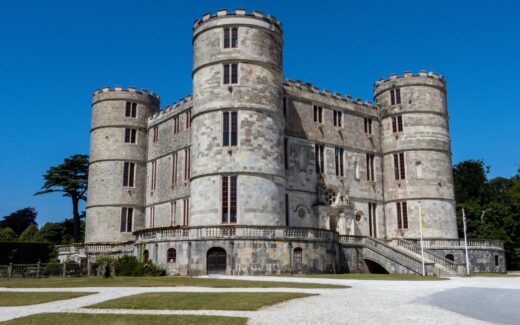
If you’re ever wandering along the magnificent Jurassic Coast in Dorset, a UNESCO World Heritage Site, you’ll find yourself spoilt for choice with dramatic cliffs, hidden coves, and postcard-perfect villages. But venture just a little inland, away from the sea-sprayed paths, and you’ll discover a true architectural treasure with a story that’s nothing short of cinematic: the majestic Lulworth Castle.
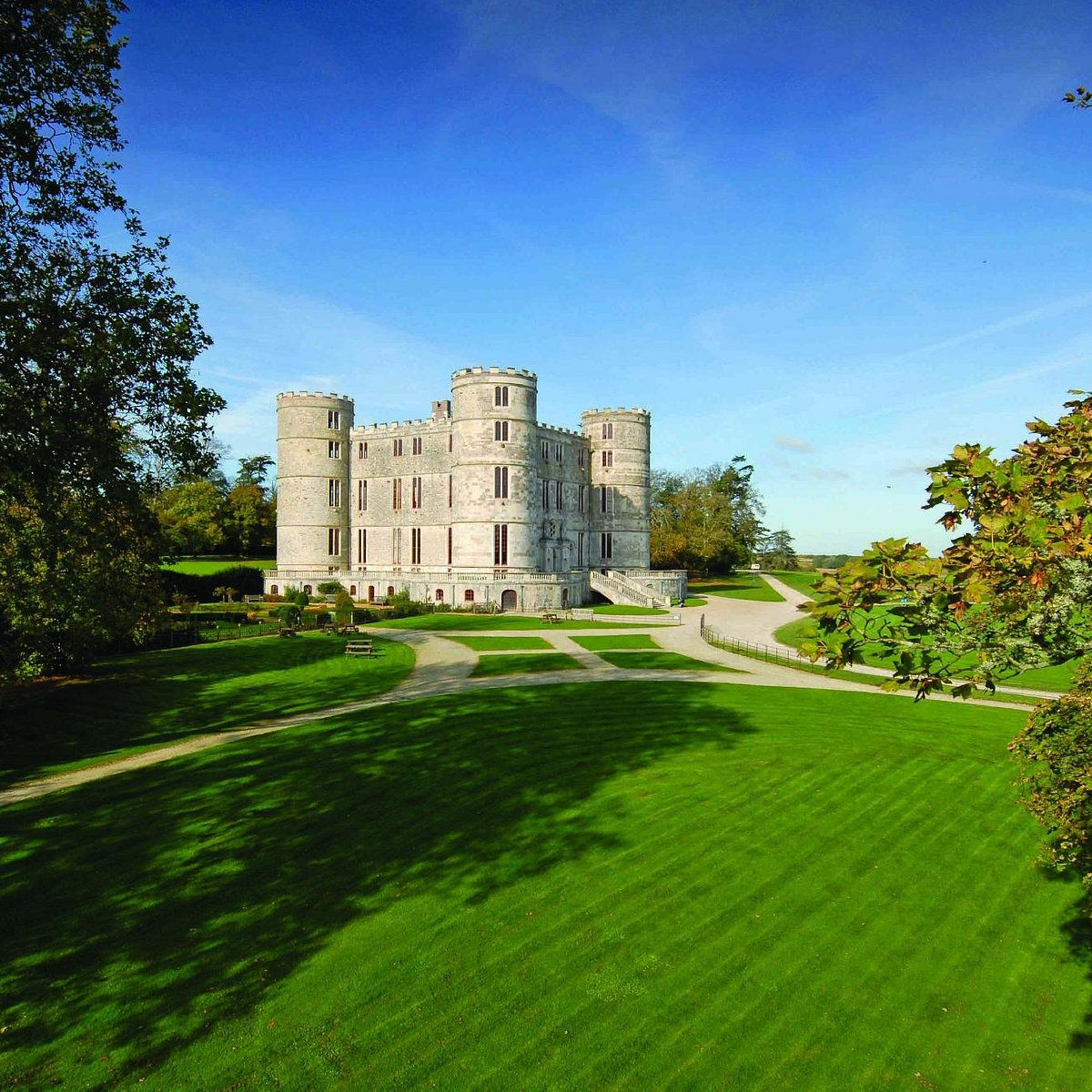
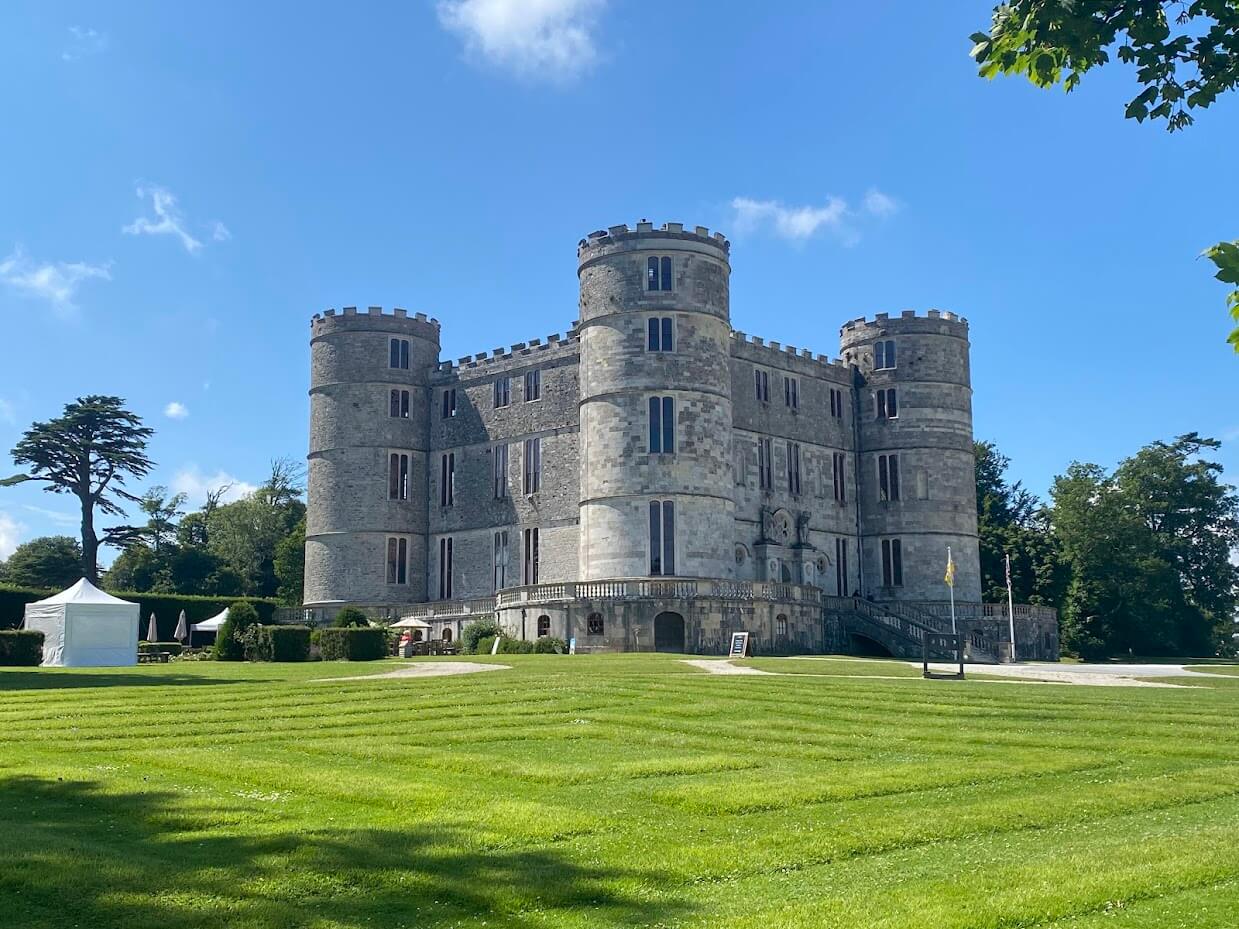
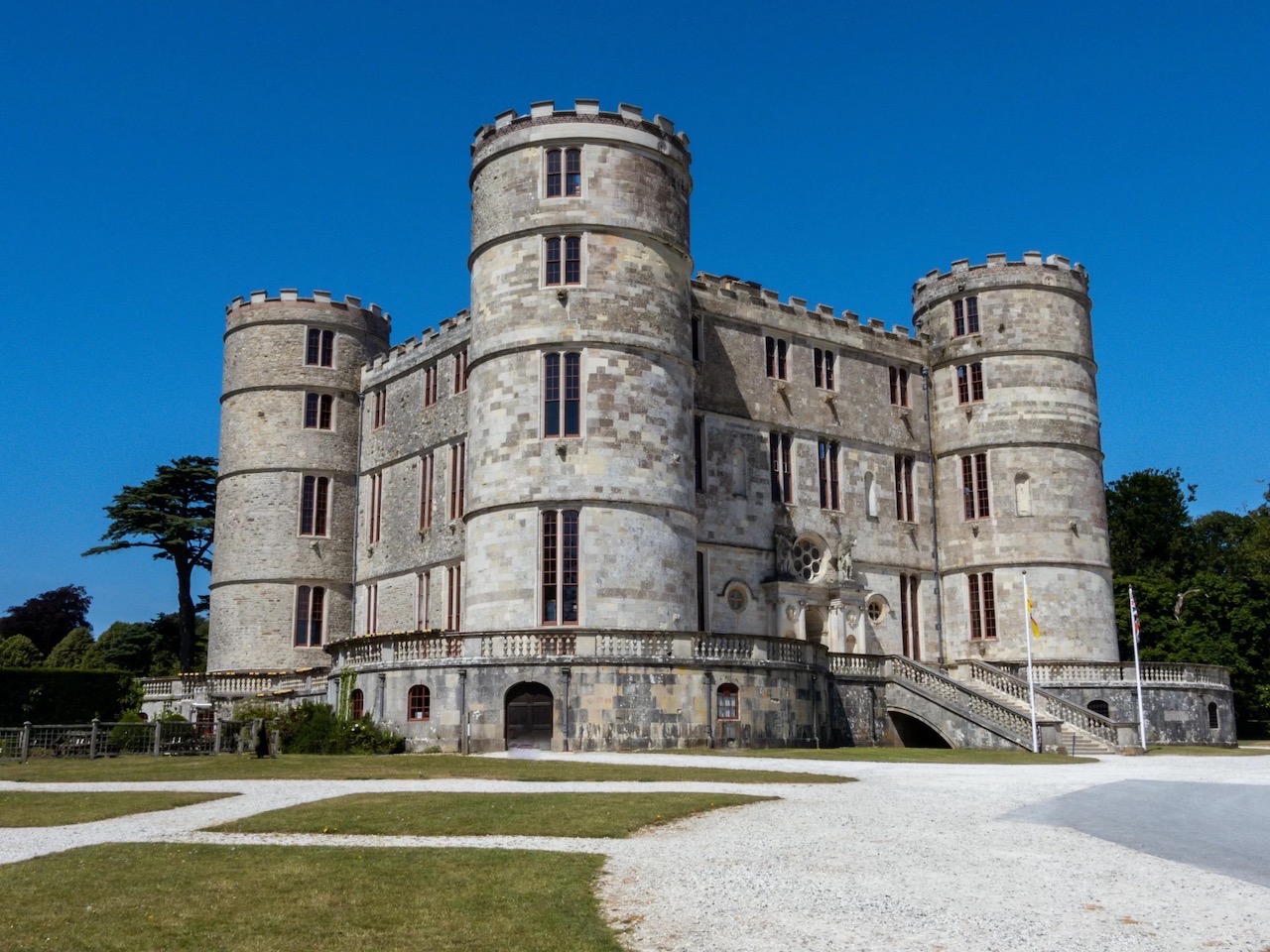
Forget what you think you know about castles. Lulworth isn’t a draughty, medieval fortress built for repelling sieges. This magnificent building was designed in the early 17th century purely for pleasure and prestige. Commissioned by Thomas Howard, 3rd Viscount Howard of Bindon, it was conceived as a grand hunting lodge, a place for the aristocracy to indulge in sport and lavish entertainment. After passing to the Weld family in 1641, it became their primary residence for generations, a stage for entertaining royalty and nobility. Its design was a fashionable statement – a formidable-looking mock-fortress on the outside, but inside, it was all about lavish comfort, intricate plasterwork, and Georgian elegance.
A Fairytale Castle with a Fiery Heart
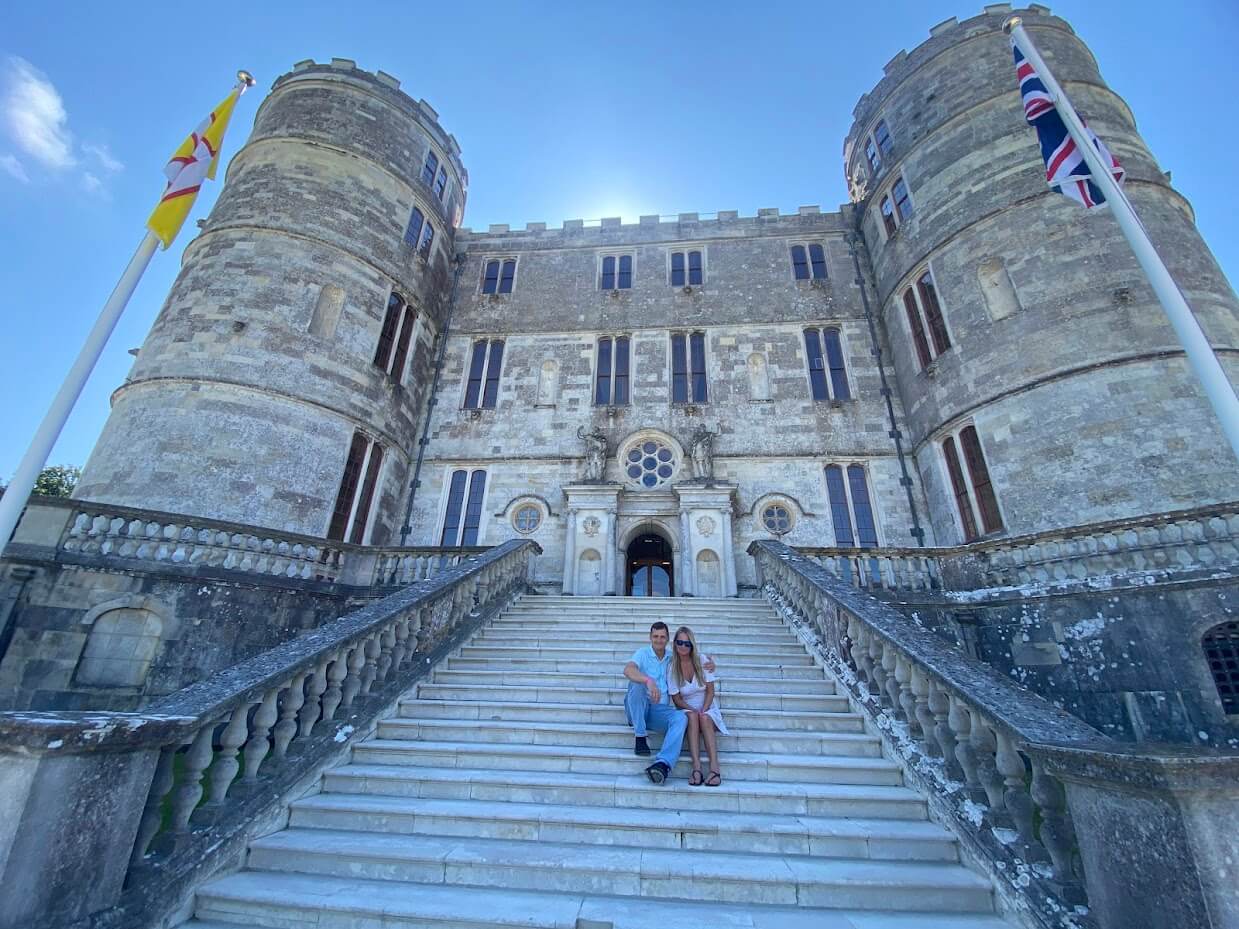
Built between 1608 and 1610, with a design often attributed to the famous architect Inigo Jones, Lulworth Castle enjoyed centuries of glamour. It was a place of high society and royal rendezvous, hosting no fewer than seven monarchs, including King James I, George III, and later, French royals fleeing the revolution who found a safe haven within its walls. For over 300 years, it stood as a proud symbol of the Weld family’s influence and status, its four imposing circular towers dominating the Dorset landscape.
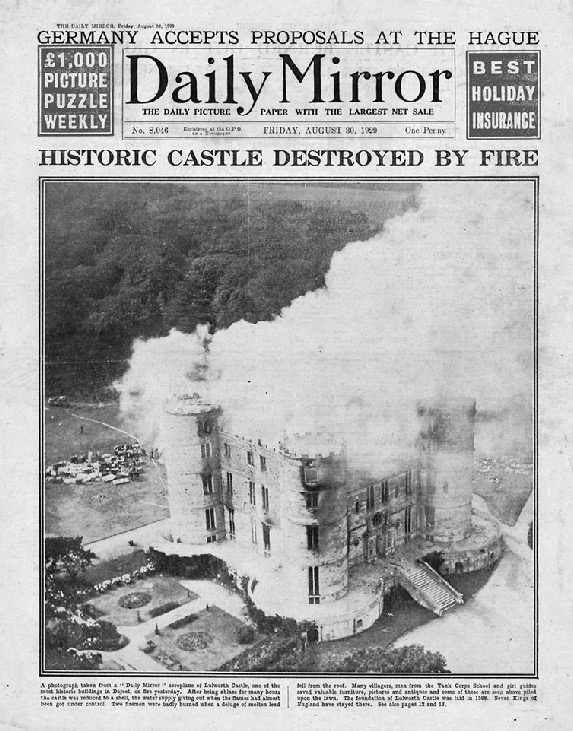
But tragedy struck on a quiet morning on 29th August 1929. A housemaid discovered a fire in the north-east tower, and despite the frantic efforts of fire brigades from across Dorset, the blaze quickly spiralled out of control. The lead roof melted, and the inferno raged for three days, gutting the entire interior and leaving the castle a hollow, roofless shell. All the priceless furniture, art, and historical treasures were lost. For decades, it stood as a romantic, ivy-clad ruin, a haunting silhouette against the sky. It seemed its glorious days were well and truly over.
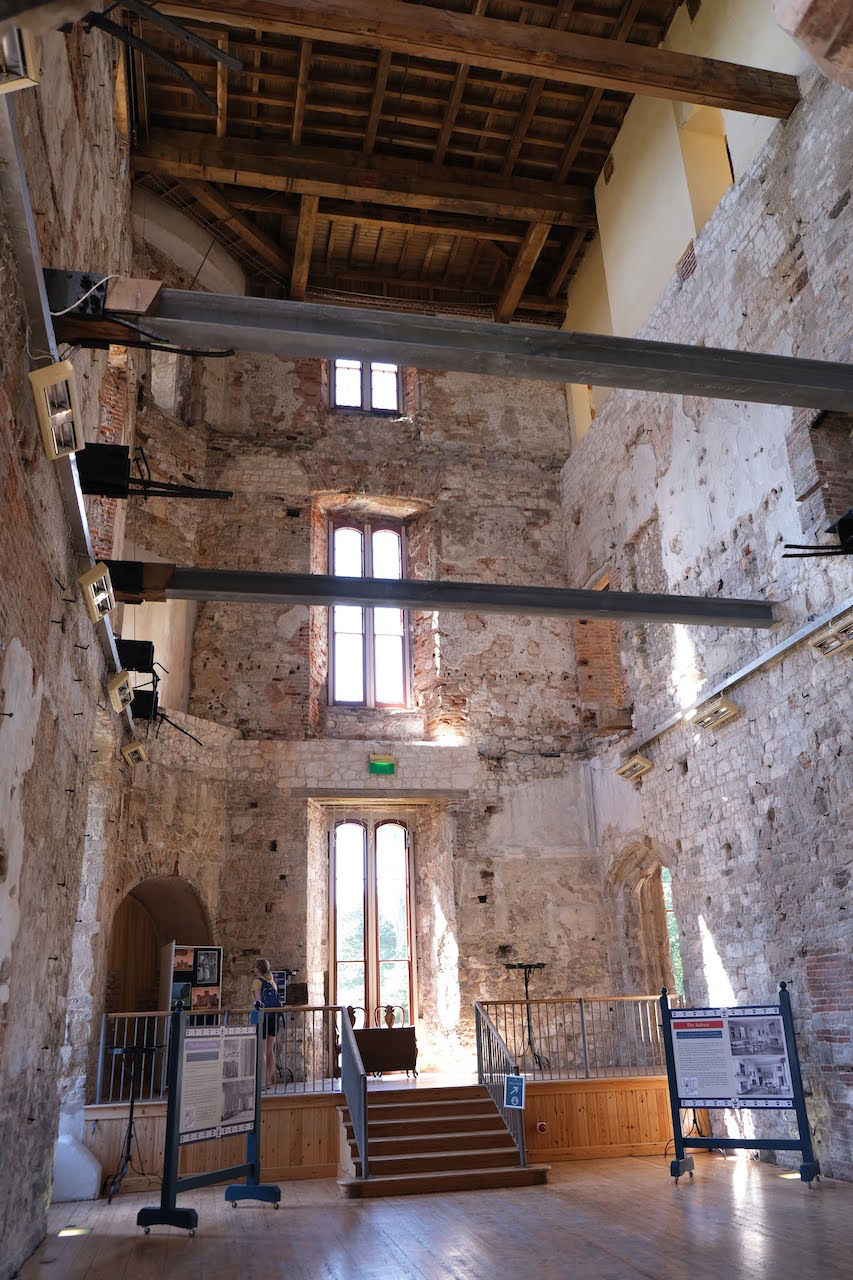
However, you can’t keep a good castle down! In a monumental effort that showcased incredible dedication, English Heritage and the Weld family joined forces in the 1970s to begin a 20-year project to bring Lulworth back from the brink. They made the bold decision not to restore it to its former furnished glory, which would have been an impossible task. Instead, they masterfully consolidated the ruins, stabilising the ancient walls, installing new floors and a new roof, and adding a fascinating exhibition that tells the castle’s dramatic story. This approach allows visitors to appreciate both its former grandeur and its devastating ruin.
What to Expect on Your Visit
Stepping inside Lulworth today is a unique and powerful experience. The sheer scale of the rooms is breathtaking, but you can still see the scorch marks from the 1929 fire creeping up the old stonework—a poignant reminder of its past. The ground floor houses an excellent exhibition with old photographs, architectural drawings, and personal stories that bring the past to life. You can truly feel the history in the air.
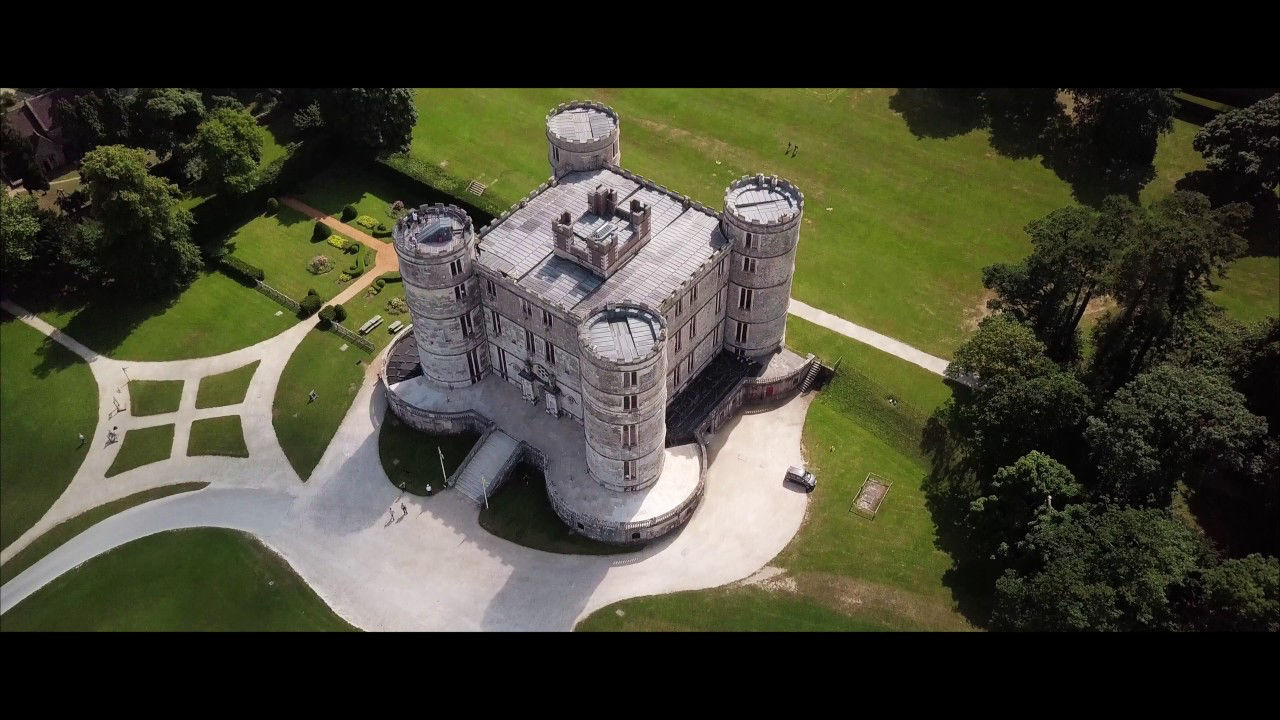
But the real showstopper? The view from the tower. It’s a bit of a climb up the 130 steps of the spiral staircase, but the reward is absolutely worth it. From the top, you are treated to a breathtaking 360-degree panorama of the rolling Dorset countryside, the sprawling Lulworth Estate, and the glistening English Channel. On a clear day, you can spot the iconic arch of Durdle Door and the sweep of the Purbeck Hills.
Don’t miss the basement, either! It has been cleverly repurposed and is packed with fun activities, especially for younger visitors. There are discovery trails, period costumes for dressing up, and interactive displays that make history engaging and fun.
Beyond the Castle Walls
The adventure doesn’t end at the castle door; the grounds are just as impressive. A short stroll through the parkland will lead you to St. Mary’s Chapel, a beautiful and historically significant 18th-century Roman Catholic chapel. Commissioned by Thomas Weld in 1786, it was one of the very first free-standing Catholic chapels to be built in England following the Reformation. Its disguised, mausoleum-like exterior was a clever way to hide its true purpose during a time of religious persecution.
The sprawling parkland, designed by the famed Capability Brown, is perfect for a picnic, a lazy walk, or letting the kids run wild. There’s a brilliant adventure playground near the car park that will keep them entertained for ages. And if you’re feeling peckish, the Castle Tearoom, located in the old stables, serves up delicious homemade cakes, scones, and light lunches.
Today, Lulworth has found a new lease of life, not just as a historic attraction but as a vibrant, living venue. It’s famously the home of the fantastically fun Camp Bestival music festival each summer, which fills the ancient grounds with music, glitter, and a joyful family atmosphere. The castle also serves as a stunning wedding and events venue throughout the year.
Plan Your Trip
- Getting There: Lulworth Castle is located near the village of West Lulworth in Dorset. It’s best reached by car, with ample parking available on site.
- Opening Times & Tickets: The castle is generally open Sunday to Friday from 10:30 am to 5 pm during the main season, but it’s always best to check the official Lulworth Estate website for the most up-to-date information on opening times and ticket prices, as these can vary, especially due to private events.
- Combine Your Visit: You absolutely must make a day of it by also visiting the nearby coastal wonders of Lulworth Cove and Durdle Door. They are just a short drive away and are truly unmissable gems on the Jurassic Coast.
Lulworth Castle isn’t just a building; it’s a survivor. It’s a place where history feels incredibly present, a phoenix that rose from the ashes to become one of Dorset’s most beloved and fascinating landmarks. Don’t miss it!
Leave a Reply
You must be logged in to post a comment.